Timelines · 7 min read
Planning an Arizona Wedding Timeline Around Desert Heat & Golden Hour
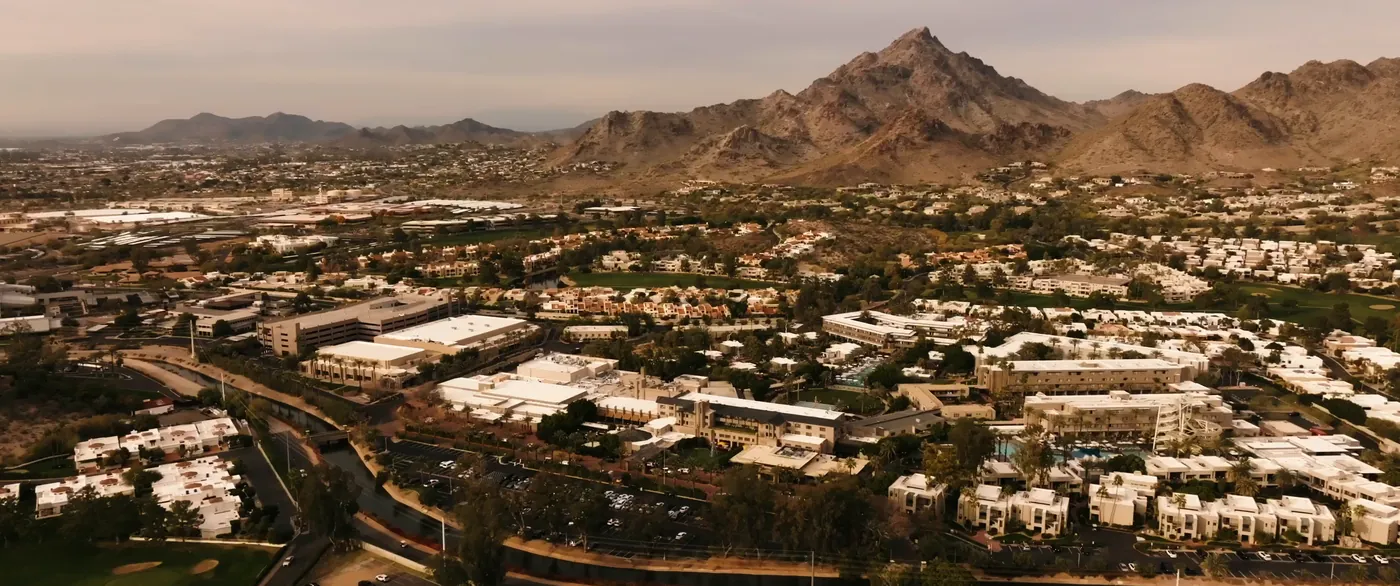
In Arizona, the sun plans half your wedding for you. Get the timing right and you get soft, glowing light, comfortable guests and photos that look like a film. Get it wrong and everyone is squinting through a 3 p.m. ceremony in full sun. Here’s how we build timelines here at home, season by season.
Start with sunset, then work backward
The single most useful thing you can do is look up the sunset time for your date and location, then build the day around it. Arizona doesn’t observe daylight saving time, so sunset in the Phoenix area runs from around 5:30 p.m. in early winter to about 7:30 p.m. in early summer. Check the exact time for your date, because it moves quickly in spring and fall.
A simple rule we use: end the ceremony about an hour before sunset, so you have time for hugs, family photos and a short break, then head out for portraits in the last 30–45 minutes of light.
A sample timeline (sunset around 6:00 p.m.)
- 1:00 p.m. Getting ready, details and letters
- 3:00 p.m. First look and wedding party photos in open shade
- 4:15 p.m. Ceremony
- 4:45 p.m. Family photos, while guests head to cocktail hour
- 5:20 p.m. Golden hour portraits, just the two of you
- 6:00 p.m. Sunset, then grand entrance and dinner
- 7:30 p.m. Toasts, first dance, the party
- 10:00 p.m. Send-off
Shift everything to match your sunset. In summer the whole day slides later; in winter it slides earlier, and the ceremony may be in the early afternoon.
Spring and fall: peak season for a reason
March through May and October through November are Arizona’s most popular wedding months. Days are warm, evenings are comfortable, and the light is beautiful. That popularity also means venues, vendors and popular trailheads book up and fill up. If your date is in peak season and your vendor list has a gap, reach out early, or look for teams that welcome short notice.
Winter: shorter days, gorgeous light
Winter is one of our favorite seasons here. Low sun means soft light for more of the day, and the desert can be green after rain. The trade-off is a short day and chilly evenings, especially up north. Plan an earlier ceremony, keep portraits close to the ceremony site, and have heaters or a warm layer ready once the sun goes down.
Summer: work with the heat, not against it
Summer weddings in the low desert are absolutely possible. You just have to respect the heat.
- Hold the ceremony late, close to sunset, or indoors with portraits at golden hour.
- Do photos in open shade or indoors in the afternoon. Harsh midday sun is hard on skin, flowers and everyone’s mood.
- Keep water, fans and shade at every outdoor station. Cold towels are a guest favorite.
- Consider heading somewhere higher and cooler, like the pines up north, for an elopement or a second shoot.
- Sunrise portraits are cool, quiet and stunning, if you’re up for an early alarm.
Monsoon season: have a Plan B you actually like
Roughly mid-June through September, Arizona’s monsoon can bring dust, wind and fast-moving storms, usually in the afternoon or evening. It also brings some of the most dramatic skies you’ll ever see. Pick a venue with a covered option, keep the timeline flexible by 20–30 minutes, and let your coordinator and photographer watch the radar so you don’t have to.
Low desert vs. northern Arizona
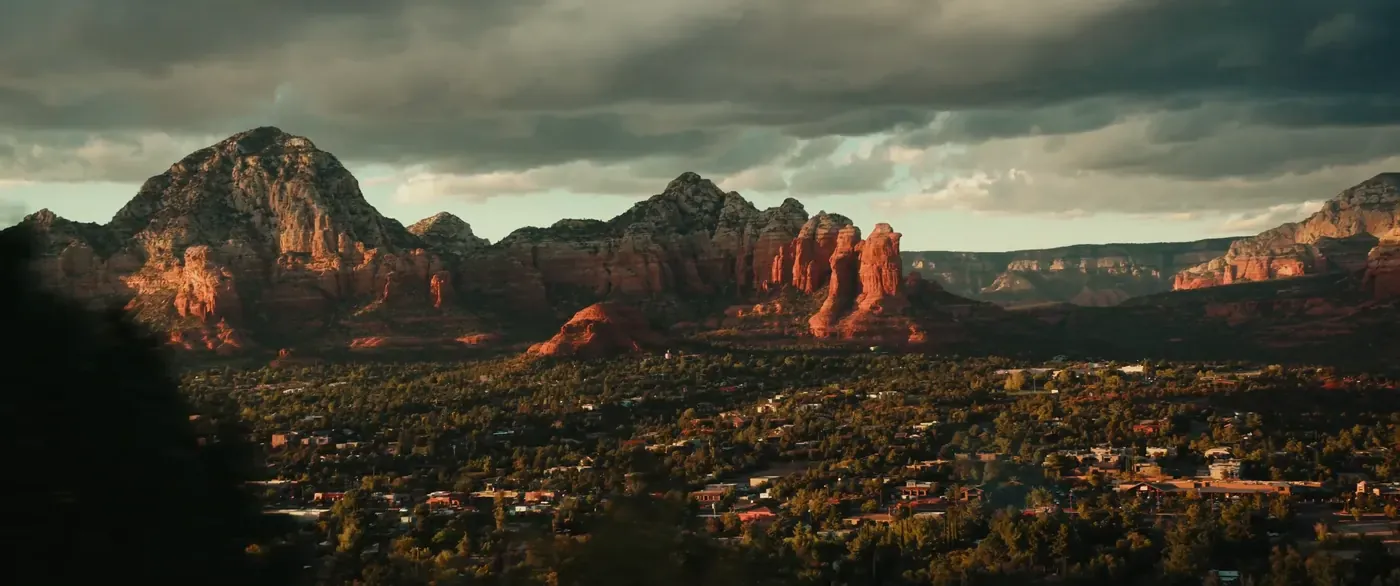
Arizona isn’t one climate. A June evening in Scottsdale or Gold Canyon can still be very hot after sunset, while Flagstaff or the White Mountains might call for a jacket. Sedona sits in between. If you’re planning a destination-style wedding up north, the heat plan matters less, but the cooler evenings, quicker temperature drops and summer afternoon storms matter more. Tell your photographer and coordinator exactly where you’ll be so they can plan the light for that spot, not just for “Arizona.”
First look or not?
A first look is especially useful here. In the shorter days of winter, it lets you finish couple and wedding party photos before the ceremony so you can actually go to your cocktail hour. In summer, it lets you take photos in the softer light of late afternoon shade instead of rushing everything into one narrow window. If you’d rather save the first moment for the aisle, that’s beautiful too. We’ll just build a little more time after the ceremony and plan portraits carefully around sunset.
Little things that keep the day on time
- Build in buffer. Add 10–15 minutes between major moments. Hair and makeup almost always run long.
- Share a family photo list ahead of time so groups move quickly.
- Plan travel between locations, including parking and walking time in heels.
- Give one person the clock. When someone is running the timeline, you can stop checking your phone and actually be there. That’s what our day-of coordination is for.
Want help building yours?
Every timeline we build is custom, because your venue, season and story are different from anyone else’s. Tell us your date and venue and we’ll help you find the light. You can also see our packages, including our three-person team with a day-of coordinator.